
If natal astrology is about people, mundane astrology moves onto a wider stage. Countries, leaders, economies, collective moods, cultural shifts, and those moments when the world seems to change direction all fall into its scope.
Historically, mundane astrology was one of the earliest branches of astrology. Ancient astrologers tracked eclipses, planetary cycles, and conjunctions to follow wars, political transitions, and shifts in power. The language has evolved, yet the principle remains the same: planets describe patterns unfolding across societies rather than inside one individual psyche.
A transit that plays out as an internal process in a natal chart can look completely different on the world stage, showing up through policy decisions, market behavior, or cultural trends that reshape everyday life. The focus moves away from personal experience and toward the shared climate people react to at the same time, whether through politics, media narratives, or collective mood.
The Mundane Chart Isn’t Just a Bigger Natal Chart
Mundane astrology is the branch of astrology that focuses on world events, countries, political climates, economic shifts, and the collective mood rather than individual birth charts.
A common beginner mistake is treating mundane astrology like natal astrology stretched across a map. The symbolism overlaps, yet the tone changes. The Moon doesn’t only describe emotions, it can symbolize public mood or media attention. Mars isn’t just drive, it often shows conflict, military activity, or heated debates.
Astrologers working in this field look at:
- Ingress charts (when the Sun enters Aries, Libra, etc.)
- Eclipses and lunations
- Planetary cycles, especially slow movers
- Charts of nations or founding moments
- Conjunctions between outer planets that mark generational shifts
And honestly, part of the craft is observation. People who follow mundane astrology often compare charts with headlines, social trends, and economic signals. It’s less about absolute certainty and more about tracking themes as they unfold.
What Each Planet Represents in Mundane Astrology
Below is the planetary shorthand many mundane astrologers use when tracking world events. These meanings come from long-term observation of historical cycles rather than fixed keywords. A planet can describe very different developments depending on its aspects, sign placement, and the larger planetary climate around it.
| Planet | Mundane Astrology Meaning |
|---|---|
| Sun | Leadership, governments, authority figures, national identity, visibility. The Sun often describes presidents, monarchs, or central power structures. When the Sun is highlighted, attention goes toward who is “in charge” or how leadership presents itself. |
| Moon | The public, mass mood, daily life, collective reactions, media cycles. The Moon shows how people respond emotionally and how quickly the atmosphere shifts. Fast lunar aspects often correlate with rapid news waves. |
| Mercury | Communication, trade, journalism, transportation, negotiations, data flow. Mercury periods bring policy debates, leaks, market chatter, or confusion around messaging. Retrogrades tend to show revisions rather than chaos by default. |
| Venus | Economics, diplomacy, alliances, cultural trends, art, financial markets. Venus highlights what societies value, from fashion waves to trade agreements. In tense configurations, discussions about resources or fairness come forward. |
| Mars | Conflict, military action, protests, competition, urgency. Mars doesn’t automatically mean violence, yet it does increase heat. Expect sharper rhetoric, quicker decisions, and a sense that patience runs thin. |
| Jupiter | Growth, expansion, law, international relations, ideology, education. Jupiter amplifies whatever it touches. In mundane charts it often connects with legislation, belief systems, or big global narratives gaining traction. |
| Saturn | Structures, institutions, restrictions, regulations, long-term pressure. Saturn cycles show accountability, boundaries, and reality checks. Economic tightening or institutional reform often appears when Saturn is emphasized. |
| Uranus | Sudden shifts, technology, rebellion, innovation, unexpected developments. Uranus correlates with moments that disrupt routines, from digital breakthroughs to social movements challenging established norms. |
| Neptune | Collective dreams, misinformation, media imagery, spirituality, confusion, idealism. Neptune can show artistic waves or moments where clarity blurs. In mundane contexts it often ties into propaganda, viral myths, or cultural escapism. |
| Pluto | Power struggles, deep transformation, systemic change, hidden forces, collective trauma and regeneration. Pluto moves slowly, so its influence builds over years. When activated, it exposes underlying dynamics that reshape institutions or societal structures. |

Why the Outer Planets Matter So Much
Mundane astrologers pay close attention to Saturn, Uranus, Neptune, and Pluto because their cycles unfold slowly and tend to line up with broader historical chapters.
Inner planets move quickly and describe immediate developments, while the outer planets track deeper structural change that builds over years. When major alignments form between these slower bodies, shifts often become visible across politics, technology, and collective attitudes at the same time. Not every transit produces a dramatic event.
Many correlate with gradual adjustments in how societies deal with authority, resources, or identity, which only become obvious when you look back across a longer stretch of time.
An Example: The U.S. Chart and Its 2026 Transits
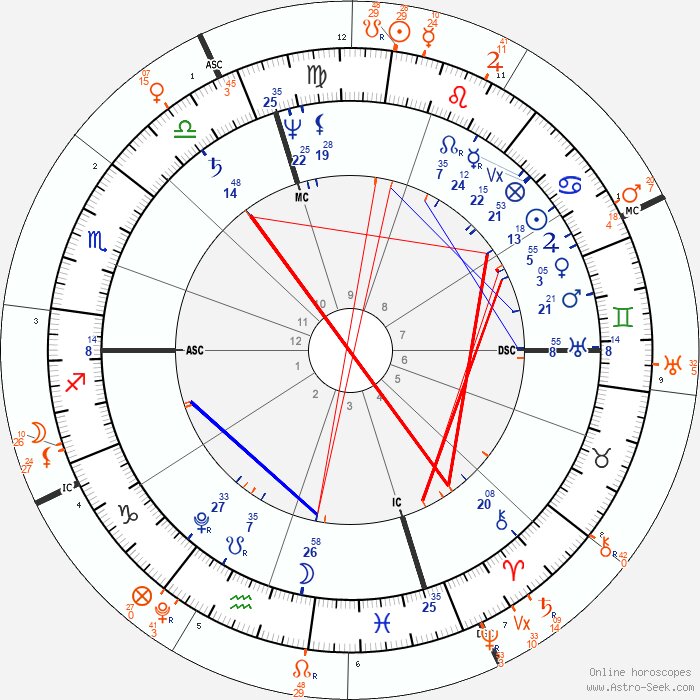
To show how mundane astrology works in practice, here is a brief look at the commonly used U.S. chart and some of the major transits active during 2026.
Thursday, July 4, 1776, 4:50 PM
Philadelphia, Pennsylvania, United States
- Sun: 13°19′ Cancer
- Moon: 26°58′ Aquarius
- Ascendant: 8°18′ Sagittarius
- Midheaven: 25°41′ Virgo
The United States appears to be moving through a noticeable turning point during 2026. One of the main reasons is Uranus entering Gemini and approaching the Descendant area of the chart. This marks the country’s Uranus return, a cycle that occurs roughly every 84 years.
The U.S. appears to be moving through a significant shift during 2026. Uranus entering Gemini and activating the Descendant area brings the country into its Uranus return, a cycle that happens roughly every 84 years. In mundane astrology this placement is often linked with sudden changes among the public, shifts in communication, protests, and unpredictable reactions from both allies and opponents. Because Uranus sits on the DSC and opposes the ASC at the same time, themes around how the country is viewed by others become more pronounced.
The chart has recently moved through a Uranus square to the natal Moon in Aquarius, which some astrologers connected with strong public reactions around the Epstein files release and ICE. The Moon in mundane work frequently reflects collective mood, so Uranian pressure there can coincide with sharp emotional responses and fast-moving news cycles.
Later in the year the chart moves into a Saturn opposition to its natal Saturn, which in mundane work tends to coincide with periods where existing systems start showing their cracks instead of holding everything together quietly. It’s less about abstract “lessons” and more about pressure building around economic structures, institutional decisions, and long-term policies that can’t be postponed anymore. At the same time Jupiter, as ruler of the Sagittarius Ascendant, remains in the 8th house, keeping attention on debt, financial entanglements, and deeper power dynamics that sit underneath the surface rather than in plain sight. Saturn squaring the Cancer Sun puts visible weight on leadership itself, suggesting fatigue, declining public confidence, or situations where the head of the country appears constrained rather than fully in control.
Taken together, this doesn’t read like a single dramatic moment but more like a turning phase where the U.S. has to renegotiate how it presents itself and how others respond to it. Uranus returning to its natal place tends to coincide with disruptions that feel uncomfortable in real time: sudden shifts in alliances, louder public reactions, and a communication climate that becomes harder to stabilize. The focus moves toward reputation, external perception, and the way internal instability becomes visible to the outside world.
If you need clear insight about timing, relationships, or a specific situation, you can book a focused Astrology Q&A reading.
✦ Two Questions — $25: Perfect if you want to explore two areas or go a little deeper.
✦ Horary Chart Reading — $35: I’ll cast a horary chart for your question and interpret it. Ideal for lost items, pets, or any questions that occupy your mind.
Each answer is written personally using natal astrology, transits, or horary techniques, depending on your question.
Book Astrology Advice