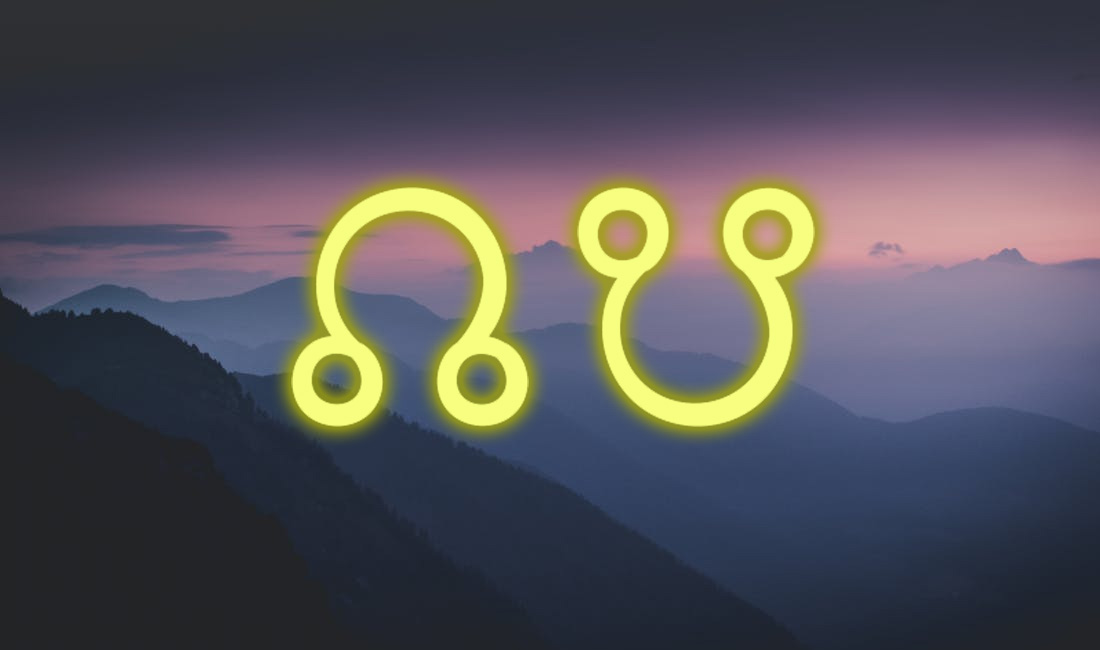
The Moon’s Nodes are mathematical points where the Moon’s orbit crosses the path of the Sun, known as the ecliptic. In astrology, they carry strong symbolic weight because they describe direction, habit patterns, and the way personal experiences unfold over time.
The North Node shows growth and forward movement, while the South Node represents familiar territory, past behavior, and ingrained reactions.
Unlike planets that describe personality traits or emotional drives, the Nodes show how life situations pull someone toward change. They often activate events that feel fated, karmic, or unavoidable, especially during major transits. Because they are tied to eclipses, their influence tends to unfold through clear turning points and noticeable life chapters.
North Node: Movement Toward Growth
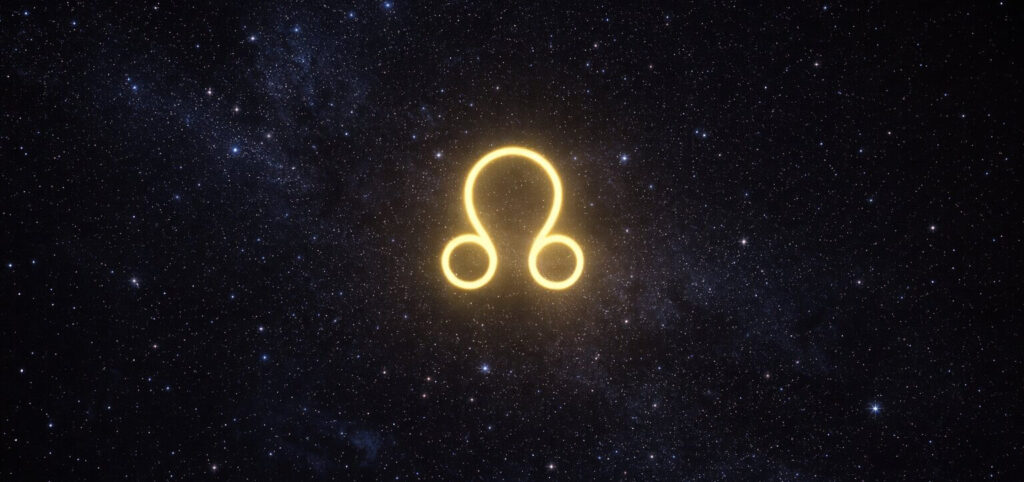
The North Node shows where life keeps nudging you into situations you would not normally choose on your own. People often meet someone, start a job, or step into a role that feels unfamiliar, yet somehow necessary. Over time, those experiences start shaping direction without forcing anything.
In the natal chart, the sign and house of the North Node describe where momentum builds through real events. A North Node in the 10th house often brings attention to career choices, reputation, or public visibility. In the 7th house, relationships, other people and agreements start influencing major decisions. The Node does not work like a personality trait. It shows where life keeps opening doors that slowly pull you away from old habits.
South Node: Patterns That Feel Familiar
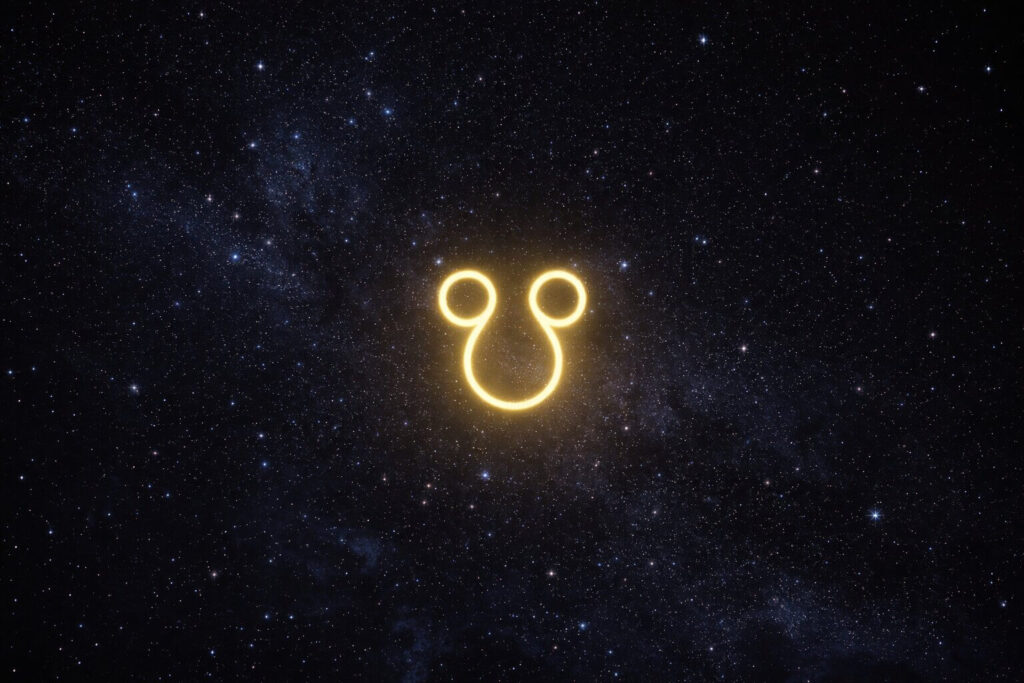
The South Node shows what comes naturally because you have already lived through it in some form. People often fall back on these patterns without thinking, whether it is a way of reacting emotionally, choosing partners, or handling pressure. There is skill here, but also repetition. Situations may look different on the surface yet carry the same emotional rhythm underneath.
When the South Node is activated by transit, familiar themes tend to circle back. Someone from the past may reappear, or a current situation starts feeling strangely familiar. These moments reveal how quickly old reactions return when something touches a sensitive point in the chart. Watching how you respond says more than any interpretation. The Node shows where habits run deep and where a different response can slowly change the direction of events.
I recently worked with someone who has the South Node in Taurus in the 9th house. During the last series of Uranus conjunctions, first direct, then retrograde, and finally direct again, they made a decision they had postponed for years and moved abroad. Uranus acted like a trigger point, pushing them to leave a familiar environment and step into a long-considered change that finally felt unavoidable.
How the Nodes Work Together
The Nodes always work as a pair, sitting directly opposite each other in the chart. When the North Node becomes active, something linked to the South Node usually shifts at the same time. New directions tend to appear alongside old habits that start losing their hold.
For example, someone with the North Node in Aries and the South Node in Libra may gradually move away from constantly adapting to others and begin making decisions independently. A North Node in Taurus opposite a South Node in Scorpio often brings a shift from emotional intensity toward building stability, consistency, or something tangible that lasts.
Eclipses take place near the lunar nodes, which is why nodal transits often mark turning points. When planets or chart angles activate this axis, events tend to unfold in noticeable chapters rather than through slow background change. Timing becomes more visible, and certain choices feel harder to ignore.
Important Nodal Transits and What They Activate
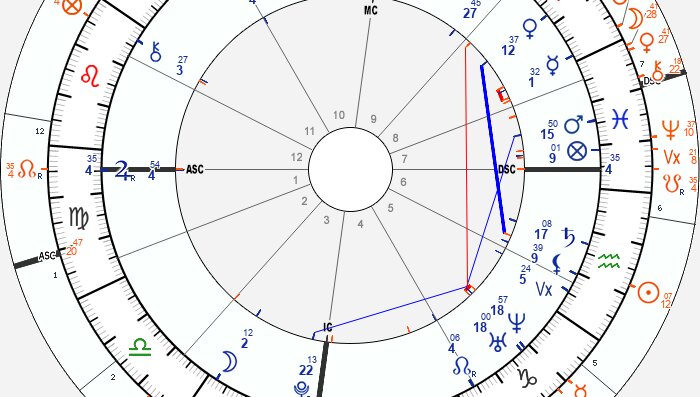
North Node Conjunct the Ascendant
Transit North Node conjunct Ascendant places identity, visibility, and personal direction at the center of experience. During this time, people often change how they present themselves, relocate, or step into roles that shift their public image.
Because the South Node moves across the Descendant at the same time, relationship dynamics can also change. Some may release a connection they have held onto for years, step away from a long-term bond, or finally recognize where a partnership no longer reflects who they are becoming.
North Node Conjunct the Moon
A North Node transit to the natal Moon often brings strong focus on emotional life, family matters, and personal security. People may adjust daily routines, change living situations, or reconnect with feelings that have been sitting in the background for a long time. Themes connected to home, care, and belonging tend to move into the foreground in very real ways.
In my practice, I have seen this transit coincide with women discovering they were pregnant, welcoming a new sibling into the family, or starting projects centered around care, such as opening an animal shelter. The exact story always looks different, yet themes of motherhood, emotional bonds, protection, and nurturing consistently appear.
South Node Conjunct Personal Planets
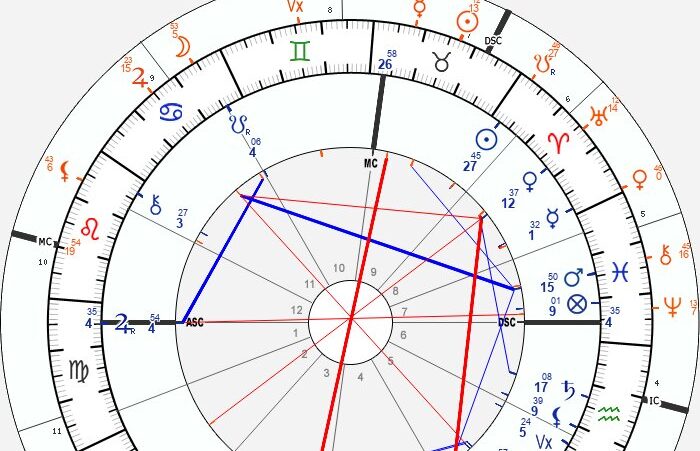
When the South Node crosses a natal planet, people often slip back into reactions they know too well. With Venus, old relationship patterns or familiar emotional dynamics can resurface, sometimes through the same type of person appearing again.
A South Node transit to Mars may bring back unfinished tension, situations that test patience, or moments where someone reacts before thinking simply because the pattern feels familiar. These transits do not feel new. They feel recognizable, almost like stepping into a scene that has already played out before.
The Moon’s Nodes in Vedic Astrology: Rahu and Ketu
In Vedic astrology, the Nodes are known as Rahu (North Node) and Ketu (South Node). Rahu represents desire, ambition, and the urge to experience something new. Ketu relates to detachment, past experience, and areas where someone may feel naturally skilled yet less motivated over time.
Vedic astrologers often place strong emphasis on nodal transits because Rahu and Ketu are connected to eclipses and karmic timing. Rahu amplifies curiosity and external movement, while Ketu pulls attention inward toward what has already been learned. Even though Western and Vedic systems interpret them differently, both traditions agree that the Nodes describe powerful turning points.
Nodal Reversal
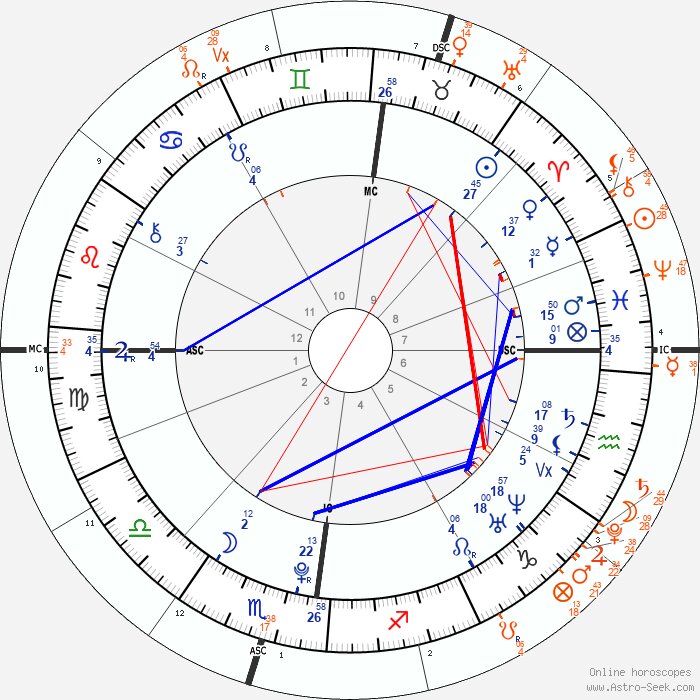
A nodal reversal happens when the transiting lunar nodes move into the opposite signs of your natal North Node and South Node. This occurs about every 9 years, usually around ages 9, 27, 46, 65, and 83. During this time, the North Node travels over your natal South Node while the South Node crosses your natal North Node, flipping the original nodal axis.
In practice, nodal reversals bring strong moments of comparison between who you were and who you have become. Situations tend to echo earlier life chapters, but from the opposite side. People often reconnect with old environments, rethink past decisions, or face choices that resemble something they experienced years before. The difference is perspective. What once felt natural may now feel limiting, while paths that were ignored earlier start pulling attention.
Because the axis is reversed, people frequently notice a shift in relationships and direction. Some step away from long-standing dynamics that defined earlier phases of life. Others return to unfinished goals or finally act on plans that were postponed before. It can feel like standing at a familiar crossroads, only with more clarity about what fits and what no longer does.
Nodal reversals often show up through realizations that change how someone moves forward. A person may recognize that a role, partnership, or environment that once felt essential has quietly reached its end. At the same time, the reversed North Node can bring unexpected invitations to try something that once felt out of reach. The experience feels cyclical, almost like revisiting an earlier version of life and deciding what continues and what stays behind.
Nodal Return
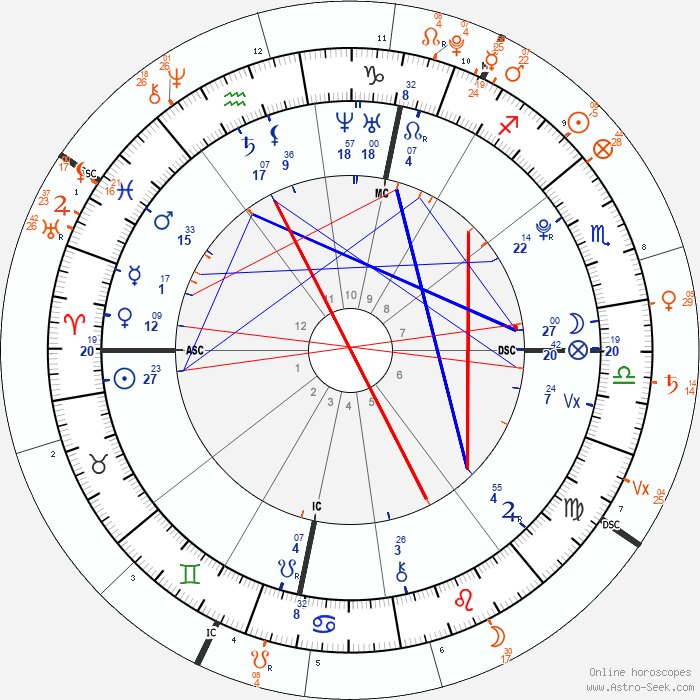
A nodal return happens when the transiting North Node comes back to the exact sign and degree of your natal North Node, repeating the original nodal axis from birth. This cycle occurs roughly every 18 to 19 years, most noticeably around ages 18 to 19, 37 to 38, 56 to 57, and later in life. In astrology, the nodal return marks a reset point where direction, choices, and long-term goals come into focus again.
During a North Node return, people often feel pulled toward decisions that shape the next chapter of life. Major themes connected to the natal house placement of the North Node tend to surface strongly. Someone with a 10th house North Node may face career turning points, public visibility, or leadership roles, while a 4th house North Node return may revolve around home, family direction, or where one truly belongs.
Unlike fast transits, a nodal return unfolds gradually. Situations build over months rather than appearing overnight. Many notice that relationships, work paths, or personal priorities begin aligning with choices that feel more authentic to their long-term direction. Encounters with new people often carry a sense of timing, as if certain connections arrive exactly when they are needed.
Because the South Node sits opposite the North Node, a nodal return also highlights what has reached its natural conclusion. Some step away from environments that once felt secure but now feel restrictive. Others realize they have outgrown roles that defined earlier stages of life. The process feels like stepping into a new cycle while carrying forward only what still fits.
If you need clear insight about timing, relationships, or a specific situation, you can book a focused Astrology Q&A reading.
✦ Two Questions — $25: Perfect if you want to explore two areas or go a little deeper.
✦ Horary Chart Reading — $35: I’ll cast a horary chart for your question and interpret it. Ideal for lost items, pets, or any questions that occupy your mind.
Each answer is written personally using natal astrology, transits, or horary techniques, depending on your question.
Book Astrology Advice