
Horary astrology is a traditional technique used to answer specific questions through astrology. Instead of analyzing a full birth chart, horary focuses on the exact moment a question is asked. Astrologers create a chart for that time and read it as a symbolic snapshot of the situation. Horary astrology can be used for relationship questions, lost items, travel plans, career decisions, timing, weather patterns, and even physical locations or environments connected to the matter.
Many people turn to horary astrology when they want a clear answer rather than a general personality reading. You don’t need a birth time or deep astrology knowledge to ask a horary question. What matters is the moment the question becomes clear, focused, and important enough to be asked — because that moment sets the foundation for the entire chart.
Turning a Question Into a Chart
Horary astrology is based on a simple idea: the moment a sincere question is asked carries symbolic meaning. The astrologer casts a chart for that exact time and location and reads it as a reflection of the situation.
Unlike natal astrology, which describes personality and life themes, horary is focused on events, outcomes, and practical details. The chart doesn’t describe who you are. It describes what is happening around the question itself.
For example, people use horary astrology to ask:
- Will this relationship move forward?
- Where is my lost item?
- Should I accept this job offer?
- Is this person telling me the truth?
- What will happen during my trip?
Horary works through symbolism. Instead of guessing, the chart shows how the situation is moving, what’s influencing it, and where it may lead next.
How Horary Astrology Works
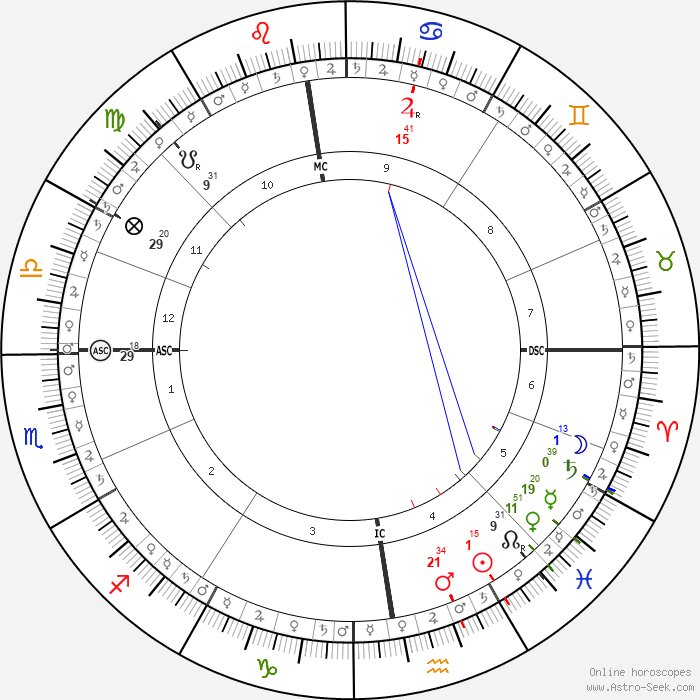
When a question is asked, the astrologer looks at several core elements:
- The Ascendant represents the person asking the question.
- The ruler of the Ascendant shows their state of mind and position.
- The Moon acts like a storyteller, showing how events unfold.
- The house connected to the question represents the topic itself.
Let’s say someone asks about a relationship. The astrologer might look at the 7th house and its ruler. If the question is about a job, the 10th house becomes important. If someone lost an item, the 2nd house (possessions) and 4th house (home, hidden places) might be involved.
I personally don’t use trans-Saturnian planets or Arabic Parts such as the Part of Fortune. As for online charts, this one from Astro-Seek is the best in my opinion.
✦ Do you need help interpreting your horary chart?
You can purchase a one-question reading through my astrology Q&A service.
Book Astrology Q&ASigns and Physical Places in Horary Astrology
One of the most practical parts of horary astrology is how zodiac signs describe environments. Each sign carries symbolism connected to landscapes, buildings, and physical surroundings.
Here are some common examples astrologers use:
- Aries – hot places, machinery, gyms, areas near fire or heat
- Taurus – gardens, farms, storage spaces, calm natural areas
- Gemini – roads, stairways, offices, areas with movement or communication
- Cancer – kitchens, homes, water containers, places tied to family
- Leo – bright rooms, theaters, creative spaces, places that stand out
- Virgo – workspaces, desks, libraries, organized environments
- Libra – social places, art studios, rooms with mirrors or decoration
- Scorpio – hidden corners, basements, private or secret locations
- Sagittarius – hills, higher places, universities, foreign environments
- Capricorn – old buildings, stone structures, government offices
- Aquarius – technology spaces, unusual environments, rooftops
- Pisces – wet places, bathrooms, areas near water, hidden or secluded spaces
For example, if a lost object is shown by a planet in Pisces, an astrologer might suggest checking near water, behind something hidden, or in a quiet corner that isn’t immediately visible.
Planets and What They Signify in Horary Astrology
Planets in horary are not just psychological symbols. They describe people, objects, weather, movement, and physical conditions.

| Planet | What It Often Represents in Horary |
|---|---|
| Sun | Authority figures, leaders, visibility, central focus |
| Moon | Events unfolding, emotions, movement, timing |
| Mercury | Messages, travel, paperwork, siblings, small objects, vehicles |
| Venus | Relationships, beauty, comfort, valuables, neighbors |
| Mars | Action, conflict, sharp objects, weapons, heat |
| Jupiter | Growth, travel, teachers, opportunities, law |
| Saturn | Limits, delays, structure, older people, junk |
| Uranus | Sudden changes, surprises, disruptions |
| Neptune | Confusion, water, hidden matters |
| Pluto | Power struggles, transformation, deep intensity |
These meanings become very practical when reading a chart. For instance, Mars in a water sign might describe an accident near water or a situation involving emotional reactions. Mercury in Gemini could point toward movement, communication, or a short trip.
Houses and Real-Life Situations
Horary astrology uses the house system to connect symbolism with everyday life.
- 1st house – the person asking
- 2nd house – possessions, money, lost items
- 3rd house – neighbors, short travel, communication
- 4th house – home, hidden places, endings
- 5th house – romance, creativity
- 6th house – work tasks, health routines
- 7th house – partners, open rivals
- 8th house – shared resources, deep emotional matters
- 9th house – long-distance travel, higher learning
- 10th house – career, reputation
- 11th house – friends, groups
- 12th house – secrets, hidden environments
Because horary focuses on real events, these houses often describe literal situations rather than abstract ideas.
Weather and Environmental Clues in Horary
Traditional horary astrology even includes weather symbolism. Certain signs and planets suggest specific conditions:
- Water signs can indicate rain, humidity, or wet environments.
- Fire signs often point toward heat or dryness.
- Air signs may suggest wind or fast movement.
- Earth signs connect with solid ground, buildings, or stability.
For example, Pisces rising in a horary chart might hint at a rainy atmosphere or a situation surrounded by emotional or hidden energy. Sagittarius might point toward outdoor spaces, higher ground, or travel.
Timing in Horary Astrology
Timing in horary comes from movement, not guesswork. Astrologers watch where the Moon is going, which planets it meets, and how fast those contacts happen. A fast Moon can point to quick developments, while Saturn contacts often stretch things out.
For example, if someone asks about a lost cat and the animal is shown by a Cancer Moon, it might be hiding somewhere familiar or close to home. If the Moon moves into Leo in two days, that shift can describe the moment the cat becomes visible or is finally noticed. The chart doesn’t give exact timestamps, but it shows the sequence of events and when energy changes direction.
Why People Turn to Horary Astrology
Horary astrology feels different from general astrology because it focuses on a single moment. Many people find it helpful when they feel stuck or unsure about a decision. The chart reflects the situation from a symbolic angle, offering insight into motivations, obstacles, and outcomes.
It’s not about controlling the future. It’s more about understanding what is already unfolding beneath the surface.
I like to describe horary as a conversation between the question and the sky. And the chart becomes a mirror of the moment, showing where energy flows easily and where it meets resistance.
If you need clear insight about timing, relationships, or a specific situation, you can book a focused Astrology Q&A reading.
✦ Two Questions — $25: Perfect if you want to explore two areas or go a little deeper.
✦ Horary Chart Reading — $35: I’ll cast a horary chart for your question and interpret it. Ideal for lost items, pets, or any questions that occupy your mind.
Each answer is written personally using natal astrology, transits, or horary techniques, depending on your question.
Book Astrology Advice