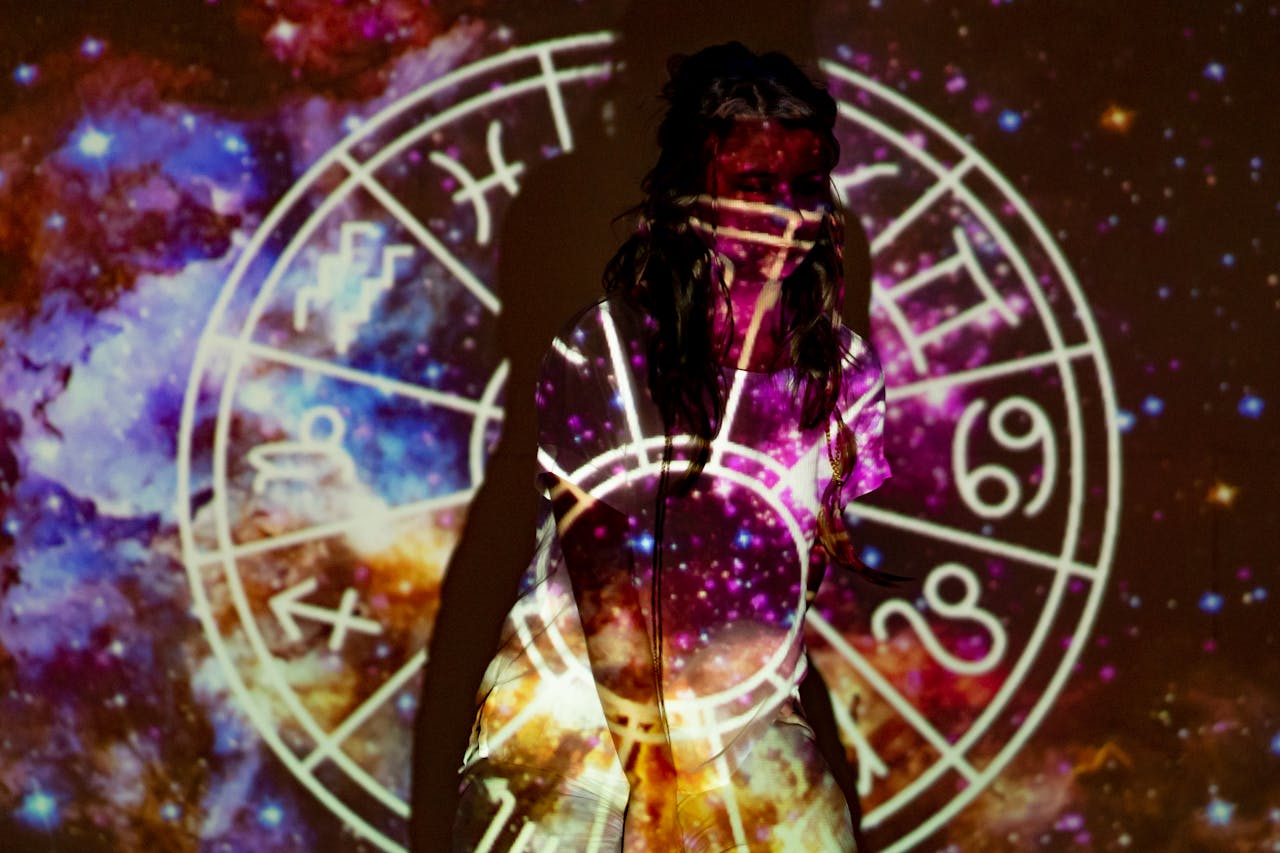
Ophiuchus is a constellation located between Scorpio and Sagittarius, and the Sun visibly passes through this area of the sky every year. Astronomers have mapped it for centuries, so the idea itself is not new or shocking. The confusion begins when people assume that every constellation touching the Sun’s path must automatically become a zodiac sign. Astrology was never built as a direct copy of constellation borders. The zodiac simply divides the sky into twelve equal sections linked to the seasonal cycle of Earth.
Because of that structure, Ophiuchus exists beside the zodiac rather than inside it. The constellation represents the serpent bearer, a figure often connected with healing, learning, and navigating complicated experiences. Some astrologers explore it symbolically, while others prefer to keep their work focused on the classical twelve signs.
| Name | Ophiuchus |
|---|---|
| Date | November 29 – December 18 |
| Element | Often described as a blend of Water and Air qualities, with a Scorpio undertone |
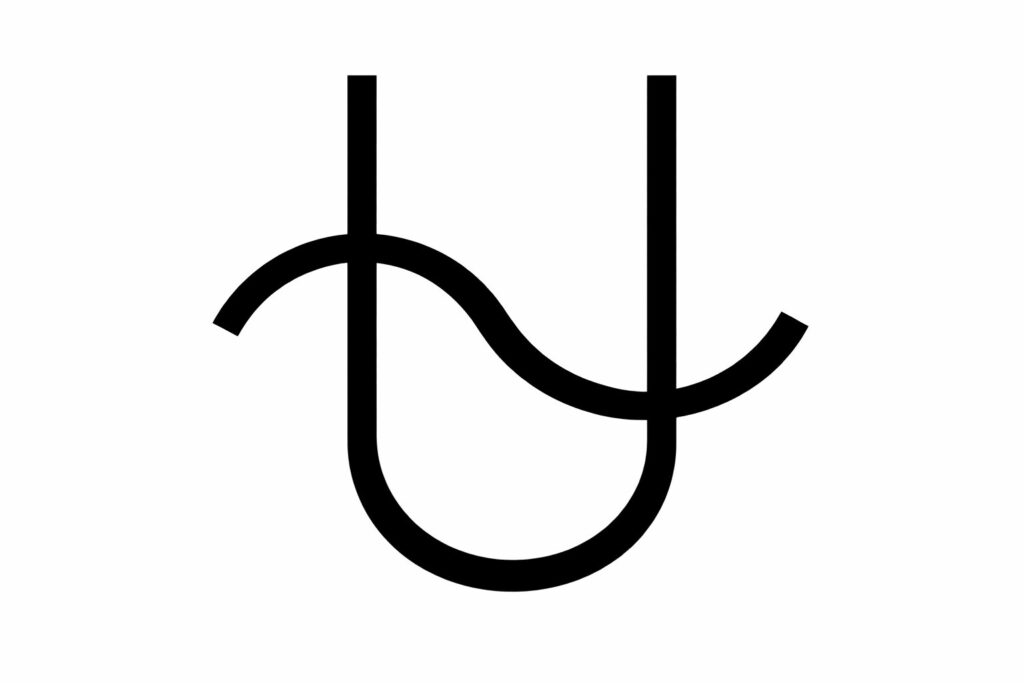
| Symbol | The Serpent Bearer ⛎︎ |
| Mythic Theme | Healing, transformation, forbidden knowledge, crossing boundaries |
| Characteristics | Independent thinking, intense personal growth, instinctive understanding, questioning authority, living between different worlds or perspectives |
| Astronomical Position | Constellation located between Scorpio and Sagittarius, crossing the ecliptic |
| Zodiac Status | Not part of the traditional twelve sign zodiac, used symbolically by some astrologers |
| Calendar Connection | Sometimes linked to the idea of a 13 month, 28 day natural calendar |
Why the Idea of a Thirteenth Sign Feels So Convincing
When people hear about Ophiuchus for the first time, the confusion usually starts with visuals. Astrology charts show a neat circle divided into twelve equal parts, while astronomical maps look irregular and uneven.
We grew up with twelve calendar months, so twelve zodiac signs feel logical at first glance. The sky itself does not follow that tidy structure. Constellations vary in size, and Ophiuchus clearly crosses the ecliptic, the path the Sun travels across the sky. From a purely visual point of view, it makes sense that some people assume it should be counted as a zodiac sign.
There is also a very human reason why Ophiuchus keeps capturing attention. The idea of a hidden or overlooked archetype pulls people in, especially those who never felt fully described by standard zodiac labels. Ophiuchus carries a layered, in-between quality that speaks to curiosity and personal exploration. In many ways, the ongoing conversation around Ophiuchus reveals more about how people search for meaning and identity than about astrology needing to be fixed or rewritten.
The Mythology and Symbolism Behind the Serpent Bearer
In myth, Ophiuchus is usually introduced as a healer, yet that description feels too polished compared to how the archetype actually reads in astrology spaces.
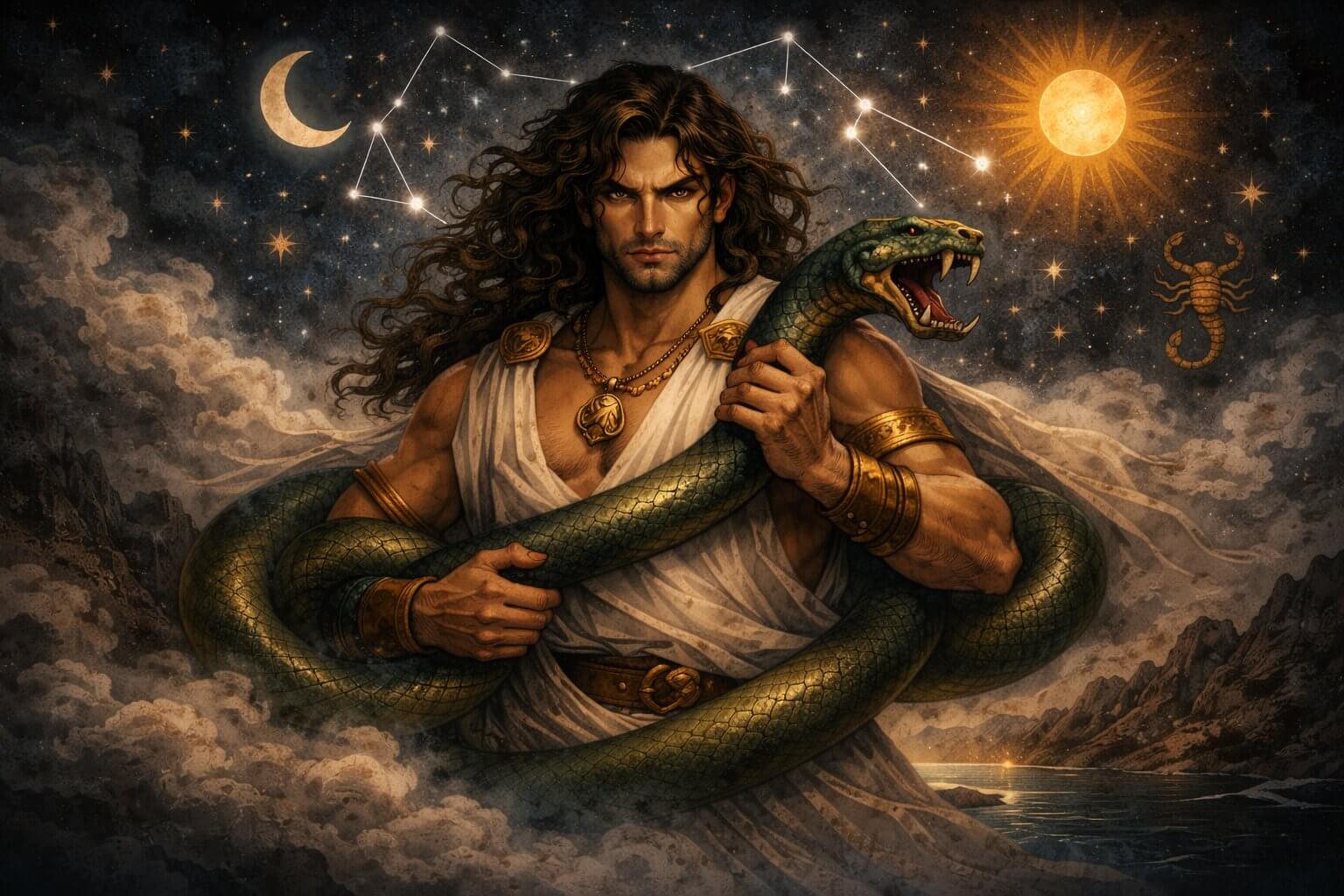
If I had to place it somewhere within the familiar zodiac language, I would describe it as sitting between Aquarius and Pisces, with a distinct Scorpio current running underneath.
Aquarius shows up in the refusal to follow rules just because they exist. Pisces appears in the shifting emotional boundaries, the sense of being half in one reality and half in another. Scorpio is present through the serpent itself, which is never a neutral symbol. A snake represents survival, instinct, and knowledge that comes from going through something real, not from reading about it afterward.
The image of someone holding a serpent is uncomfortable on purpose. It suggests contact with things most people avoid: fear, taboo subjects, transformation that does not look pretty while it is happening. That is why some astrologers connect Ophiuchus with people who feel like they learned life the hard way, through experiences that changed their direction completely rather than slowly shaping it over time. It carries an atmosphere of someone who steps outside familiar structures, questions authority, and builds understanding from direct encounters instead of inherited rules.
Even without being an official zodiac sign, Ophiuchus keeps appearing in discussions because it speaks to people who question authority without needing to rebel for show, who rebuild themselves more than once, and who understand instinct through lived situations rather than theory.
The 28 Day Natural Calendar and the Concept of Thirteen Months
If every month had exactly four weeks (28 days), the year would not split into twelve uneven pieces but into thirteen equal cycles. In that kind of structure, a thirteenth zodiac sign would not feel out of place at all. Ophiuchus is usually assigned the dates November 29 to December 18, sitting right between Scorpio and Sagittarius, which makes it easy for people to imagine where it would fit.
The attraction of the 28 day system is not only about symmetry. Many who explore it feel that our current calendar looks slightly artificial, shaped more by historical decisions than by natural rhythms. A month that always starts on the same weekday, a year that moves in steady blocks, and a zodiac that mirrors those cycles can feel more grounded to some astrology communities. The Moon already moves through phases in roughly 28 days, so the idea of thirteen lunar style months makes a lot of sense.
Why Traditional Astrology Still Uses Twelve Signs Today
The twelve sign zodiac stayed consistent because it follows the rhythm of Earth’s seasons. Aries opens the astrological year with the arrival of spring in the northern hemisphere, Cancer carries the shift into summer, Libra marks the turning point of autumn, and Capricorn anchors the beginning of winter.
This seasonal cycle is not a small detail tucked somewhere in astrology theory. It is the spine that holds the entire system together. Moving from twelve signs to thirteen would not be a tiny adjustment. It would change how the zodiac wheel is structured, how houses flow, and how astrologers read timing and symbolism across a chart.
Many astrologers, myself included, treat Ophiuchus as an additional mythic layer that can sit next to the traditional zodiac without pushing any existing sign out of place. Turning it into an official sign would not be a small update. It would mean redefining planetary rulerships, redistributing degrees across the entire wheel, and revisiting interpretations that have been tested and refined for generations.
When you consider how precise and consistently reliable astrology already is in practice, rebuilding the system from scratch would create more confusion than clarity. It would also require decades of new observation and comparison before astrologers could trust the results again, which is why most of us prefer to explore Ophiuchus symbolically instead of rewriting the whole structure.
If you need clear insight about timing, relationships, or a specific situation, you can book a focused Astrology Q&A reading.
✦ Two Questions — $25: Perfect if you want to explore two areas or go a little deeper.
✦ Horary Chart Reading — $35: I’ll cast a horary chart for your question and interpret it. Ideal for lost items, pets, or any questions that occupy your mind.
Each answer is written personally using natal astrology, transits, or horary techniques, depending on your question.
Book Astrology Advice